
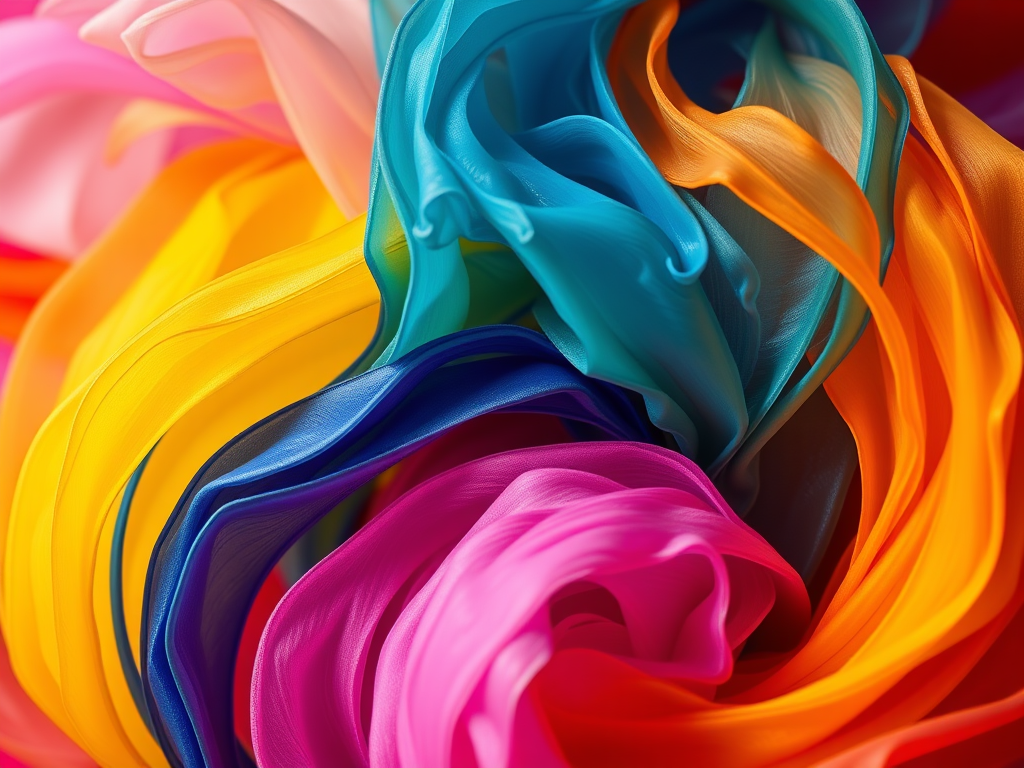
Have you ever noticed how a certain color can shift your mood or make you feel more energized? Maybe the sight of a calm blue sky or the lush green of nature brings you peace, or perhaps you feel uplifted in a room full of bright yellow tones. Believe it or not, these color experiences aren’t just coincidental—they’re tied to the principles of color therapy.
Color therapy, also known as chromotherapy, is the practice of using color to promote healing and emotional well-being. While it’s not a replacement for medical treatment, many people use color therapy as a complementary practice to help manage stress, boost mood, and even alleviate some common symptoms of certain conditions.
Let’s dive into how specific colors might support you in managing common health issues—while always keeping in mind that this is an alternative approach and should never replace traditional medical care.
How Does Color Therapy Work?
Color therapy is based on the idea that different colors carry different frequencies of energy, and when these colors are used in specific ways, they can have an impact on your physical and emotional state. For example, colors like blue are thought to have a calming effect on the body, while colors like red can increase energy levels.
In color therapy, each color is believed to correspond to different areas of the body and mind, including the chakras (the body’s energy centers). When a chakra is out of balance, it’s thought that color therapy can help restore that balance and promote healing.
Common Diseases and How Color Therapy Can Support Healing
Again, it’s important to emphasize that color therapy is an alternative treatment and should never replace medical treatments or advice. Always consult a healthcare provider for any serious or chronic conditions. That said, here are some common health issues that color therapy can support:
1. Stress and Anxiety
Stress is a part of modern life, and it’s something most of us experience regularly. Constant stress can lead to anxiety, tension, and even physical ailments like headaches or digestive problems. In color therapy, blue is often used to promote calmness and relaxation. Surrounding yourself with blue tones—whether it’s through lighting, clothing, or décor—can help ease feelings of stress and anxiety.
How to Use Blue for Stress: Try incorporating blue into your bedroom by painting the walls or adding soft blue bedding. You can also wear blue or use a blue crystal, like aquamarine, during meditation.
2. Depression
Depression can make everything feel dull, and sometimes, it’s hard to find the energy to get through the day. Yellow is known for its uplifting and energizing properties, making it a great color to combat feelings of sadness or lethargy. It’s associated with positivity, creativity, and mental clarity.
How to Use Yellow for Depression: Consider adding yellow accents in your environment, like bright pillows or artwork, to lift your spirits. Wearing yellow clothing or using citrine crystals (often associated with joy and happiness) can also help boost your mood.
3. Insomnia and Sleep Disorders
If you have trouble falling or staying asleep, the color green could be your new best friend. Green is calming and harmonizing, and it’s said to help ease the mind and promote peaceful sleep. It’s also linked to physical healing and emotional balance, making it great for general relaxation.
How to Use Green for Sleep: Try surrounding your bed area with green tones—maybe green curtains or bedding. A jade crystal or aventurine placed on your nightstand can also help create a calming atmosphere before bedtime.
4. Chronic Pain and Inflammation
If you’re dealing with chronic pain or inflammation, red and orange may provide some relief. These colors are believed to increase circulation and stimulate energy in the body. Red is often used to promote vitality, while orange is considered a warming and energizing color. Both may help alleviate pain by increasing blood flow and encouraging relaxation in tense muscles.
How to Use Red and Orange for Pain: You could wear red clothing or use red jasper or carnelian crystals to help activate energy in the body. Orange can be incorporated into your environment through towels, rugs, or small accent pieces.
5. Headaches and Migraines
If you suffer from headaches or migraines, you may benefit from the soothing properties of purple and indigo. These colors are often used to promote mental clarity and relaxation, which can be helpful when trying to manage the pain associated with headaches or migraines.
How to Use Purple and Indigo for Headaches: Surround yourself with lavender or purple hues, which can calm and relieve tension in the mind. Consider wearing indigo or using amethyst crystals to promote relaxation during an intense headache.
6. Digestive Issues
For those with digestive problems, yellow and green can help stimulate digestion and soothe discomfort. Yellow promotes the solar plexus chakra, which governs digestion, and green is linked to overall healing. Both colors are thought to help balance the digestive system and reduce discomfort.
How to Use Yellow and Green for Digestion: You could introduce yellow foods (like bananas and squash) or green foods (like leafy greens) into your diet. Additionally, placing green objects in your kitchen or wearing yellow can subtly support the healing process.
Disclaimer: Color Therapy is Complementary, Not a Replacement for Traditional Medicine
While color therapy can provide emotional and energetic support, it’s important to remember that it should never replace conventional medical treatments. Always consult with your healthcare provider for any medical conditions, particularly if they are chronic or severe. Color therapy can be a wonderful way to complement other healing practices, but it should be used alongside traditional medicine, not instead of it.
Final Thoughts
Color therapy is a fascinating and accessible way to support your emotional and physical well-being. Whether it’s by adding calming blues to your home to reduce stress or using energetic reds to promote vitality, color can be a powerful tool for emotional and physical balance. Just remember, it’s all about enhancing your overall wellness—and never substituting it for professional medical care.
If you’ve been feeling a little off lately, why not experiment with adding some color to your life and see how it makes you feel!

 Zenith Energy Healing
Was that helpful? Share thoughts here!