
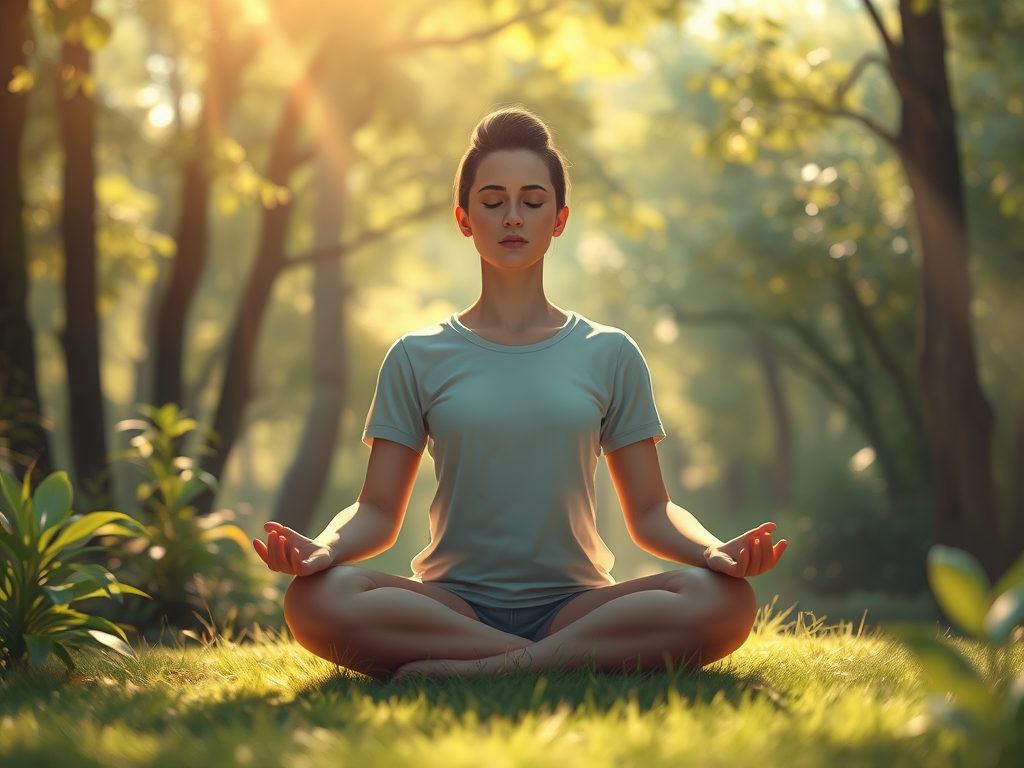
In a world where distractions are endless and demands never seem to stop, it’s easy to feel drained. Whether it’s work stress, relationship pressures, or the constant pull of technology, our energy reserves often feel depleted. But what if there was a simple practice that could help you not only replenish your energy but also protect it from being overextended? The answer lies in mindfulness.
Mindfulness is more than just a trend or buzzword—it’s a powerful tool for transforming how we manage our thoughts, emotions, and energy. By practicing mindfulness, we can develop a deeper awareness of ourselves, reduce stress, and protect our vitality in the long run.
What Is Mindfulness?
Mindfulness is the practice of focusing your attention on the present moment in a non-judgmental way. It involves paying full attention to what is happening in and around you, without distraction or judgment. This could mean being aware of your breath, your thoughts, your feelings, or the sensations in your body.
At its core, mindfulness is about cultivating awareness. It’s not about “doing” more; it’s about being fully present in what you’re already doing. This presence allows you to gain control over your mental, emotional, and physical energy, helping you to manage stress and avoid burnout.
How Mindfulness Replenishes Your Energy
Energy is a precious resource. Every decision, every interaction, and every thought takes energy from us. Without mindful awareness, we can become like a phone with a low battery—constantly running on empty. Here’s how mindfulness helps you replenish your energy:
1. It Helps You Recharge Through Breath
One of the most powerful ways mindfulness replenishes your energy is through conscious breathing. Taking a moment to pause and focus on your breath can instantly shift your mental state, calm your nervous system, and reduce stress. The breath is a powerful tool to recharge because it’s directly linked to how your body feels.
Have you ever found yourself overwhelmed at work, staring at a mountain of emails, with a racing heart? Simply pausing for a minute to take deep, slow breaths can slow your heart rate, center your mind, and restore your calm, helping you recharge and approach the situation with more clarity.
2. It Reduces Mental Clutter and Increases Focus
When you’re constantly distracted, your mind never truly rests. Whether it’s worrying about the future, ruminating on the past, or multitasking, mental clutter eats away at your energy. Mindfulness helps by teaching you to focus on one thing at a time, reducing the constant mental noise that drains your energy. This focus not only conserves energy but also boosts your productivity and creativity.
Think about a time when you were juggling several tasks at once—answering emails, attending a meeting, and answering your phone. It probably felt mentally exhausting. When you practice mindfulness, you can train your mind to focus on one task at a time, saving energy and improving the quality of what you do.
3. It Allows You to Let Go of Stress
Stress is one of the biggest energy drainers. It keeps you in a constant state of fight or flight, leaving your body and mind in overdrive. Through mindfulness, you can learn to let go of stress by observing your thoughts without becoming attached to them. This gives you the power to choose how you respond, rather than reacting impulsively and draining your energy in the process.
You’ve probably experienced being caught in a stressful situation, like dealing with an angry client or handling a personal crisis. Instead of letting the stress overwhelm you, mindfulness helps you observe your feelings, allowing you to step back and respond calmly—saving both mental and emotional energy.
4. It Enhances Emotional Resilience
Life can be unpredictable, and emotions can sometimes feel like a rollercoaster. Practicing mindfulness allows you to observe your emotions without judgment, giving you the space to process them rather than being consumed by them. This emotional awareness can help you handle difficult situations with more grace, preventing emotional exhaustion.
When you’re faced with criticism or conflict, mindfulness helps you detach from an emotional reaction. Instead of getting angry or defensive, you can acknowledge the emotion, pause, and choose a response that’s thoughtful and measured, preserving your emotional energy.
5. It Boosts Your Self-Awareness and Self-Care
Mindfulness helps you become more attuned to your body’s needs and signals. When you’re mindful, you can more easily recognize when your energy is depleting—whether it’s physical fatigue, mental exhaustion, or emotional burnout. This self-awareness empowers you to take action, whether it’s taking a break, getting some rest, or practicing self-care rituals that rejuvenate your spirit.
Have you ever ignored your body’s signals—like tiredness or irritability—until they became overwhelming? Mindfulness teaches you to listen to your body and take action before you hit a breaking point. By recognizing when you need rest or solitude, you protect your energy in the long run.
How Mindfulness Protects Your Energy
In addition to replenishing your energy, mindfulness also helps you protect it from external sources. Here’s how:
1. It Strengthens Your Boundaries
Mindfulness can help you become more aware of when your energy is being drained by others. Whether it’s a demanding coworker, a toxic relationship, or a social obligation you don’t want to attend, mindfulness helps you recognize when something isn’t serving you. This awareness empowers you to set boundaries and say “no” when necessary, preventing your energy from being drained.
You may feel pressure to attend an event or take on extra tasks, even when you’re already stretched thin. Mindfulness helps you tune into your true needs, giving you the strength to protect your energy by setting healthy boundaries.
2. It Helps You Avoid Over-committing
In a world full of opportunities and social pressure, it’s easy to overcommit. Mindfulness helps you stay connected to your priorities and values, guiding you to make decisions that align with your true needs. Instead of saying yes out of obligation or fear of missing out, you can respond thoughtfully, protecting your time and energy for what truly matters.
Think about a time when you said yes to something out of guilt or fear of disappointing others. Afterward, you probably felt overwhelmed and drained. With mindfulness, you learn to assess the situation and make decisions that align with your well-being, protecting your energy from unnecessary commitments.
3. It Cultivates Gratitude and Joy
When we’re caught up in stress or negativity, we’re often unaware of the positive aspects of our lives. Mindfulness helps us slow down and appreciate the present moment, which naturally brings more joy and gratitude into our daily experience. This shift in perspective helps to protect your energy from negative thought patterns that can drain your vitality.
Imagine starting your day by taking a few moments to focus on what you’re grateful for—whether it’s your health, relationships, or simply a beautiful morning. This simple mindfulness practice can set the tone for your day, protecting you from the energy-zapping effects of negativity and stress.
Practical Ways to Practice Mindfulness
- Mindful Breathing: Take a few moments throughout your day to breathe deeply and focus on the sensation of your breath entering and leaving your body. This simple practice can immediately calm your nervous system and recharge your energy.
- Body Scan: Lie down and mentally scan your body from head to toe, noticing any tension or discomfort. By being mindful of your body’s sensations, you can release physical tension and protect your energy.
- Mindful Walking: Whether you’re walking to work, around the block, or through your home, take a few minutes to focus on the sensation of each step. This simple practice grounds you in the present and helps conserve your mental energy.
- Gratitude Practice: At the end of each day, reflect on what you’re grateful for. Focusing on the positive not only replenishes your emotional energy but also shifts your mindset toward abundance and joy.
Conclusion: Protect and Replenish Your Energy with Mindfulness
Mindfulness isn’t just about living in the moment—it’s a powerful practice that can help you conserve, replenish, and protect your energy. By cultivating awareness of your thoughts, emotions, and physical sensations, you can reduce stress, boost resilience, and make conscious choices that safeguard your vitality.
Incorporating mindfulness into your daily routine is a simple yet transformative way to protect your mental, emotional, and physical well-being. As you develop this practice, you’ll find that you not only replenish your energy but also become more resilient to life’s challenges, allowing you to live with greater clarity, balance, and peace.

 Zenith Energy Healing